
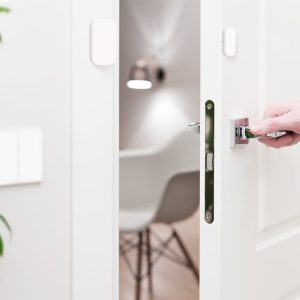
Smart home technology has moved far beyond being a luxury for technology enthusiasts. Today, homeowners across the UK are embracing connected devices that improve convenience, security, energy efficiency, and overall quality of life. From intelligent lighting and smart locks to video doorbells and automated heating systems, the modern smart home is designed to make everyday living simpler and more secure.
However, as smart devices become more common, it’s important to ensure they are installed, configured, and used responsibly. This guide explores the most useful smart home devices for everyday living while highlighting key compliance, security, and privacy considerations for homeowners.
1. Smart Security Cameras
One of the most popular smart home upgrades is the installation of smart security cameras. These devices allow homeowners to monitor their property remotely using a smartphone or tablet, providing real-time alerts when movement is detected.
Modern systems offer features such as HD video, night vision, motion detection, cloud storage, and two-way communication. Whether you’re at work, on holiday, or simply upstairs, smart cameras provide peace of mind by keeping you connected to your home.
Compliance Considerations:
- Position cameras carefully to avoid capturing neighbouring properties unnecessarily.
- Follow UK data protection guidelines if your cameras record public areas.
- Regularly update device firmware to maintain security.
2. Video Doorbells
Video doorbells have quickly become one of the most useful smart home devices available today. They allow homeowners to see, hear, and speak to visitors from anywhere using a mobile app.
Beyond convenience, video doorbells act as a powerful security tool by deterring opportunistic criminals and providing recorded footage of visitors and deliveries.
Compliance Considerations:
- Inform visitors that recording may take place where appropriate.
- Ensure recordings are stored securely.
- Use strong passwords and two-factor authentication where available.
3. Smart Locks
Traditional keys are gradually being replaced by smart locks, which offer keyless entry through smartphone apps, PIN codes, fingerprints, or NFC credentials.
Smart locks are particularly useful for busy households, holiday lets, and homeowners who regularly need to grant access to family members, cleaners, or contractors. Many systems also allow users to create temporary access codes and monitor entry logs remotely.
Compliance Considerations:
- Select products from reputable manufacturers with strong encryption.
- Ensure emergency manual override options are available.
- Regularly review user access permissions.
4. Smart Lighting Systems
Smart lighting provides a simple but highly effective way to enhance comfort, convenience, and energy efficiency. Homeowners can control lights remotely, automate schedules, and create personalised lighting scenes throughout the property.
For security purposes, smart lighting can also simulate occupancy when you’re away from home, helping to deter potential intruders.
Compliance Considerations:
- Ensure smart switches and electrical installations comply with UK wiring regulations.
- Use certified products from recognised manufacturers.
- Configure secure network access to prevent unauthorised control.
5. Smart Heating and Thermostats
Heating accounts for a significant portion of household energy consumption. Smart thermostats help homeowners manage heating more efficiently by learning usage patterns, enabling remote control, and optimising schedules automatically.
The result is greater comfort and potentially lower energy bills. Many systems can also integrate with other smart home devices for enhanced automation.
Compliance Considerations:
- Ensure professional installation where required.
- Maintain regular servicing of boilers and heating systems.
- Protect account access with strong security settings.
6. Smart Sensors
Smart sensors often work quietly in the background but deliver enormous value. Popular options include:
- Motion sensors
- Door and window sensors
- Leak detection sensors
- Smoke and carbon monoxide detectors
- Temperature and humidity sensors
These devices can trigger alerts, automate routines, and help prevent costly damage before problems escalate.
Compliance Considerations:
- Test safety-related sensors regularly.
- Replace batteries according to manufacturer recommendations.
- Ensure devices meet relevant UK safety standards.
7. Smart Home Hubs and Matter-Compatible Devices
As smart homes grow, interoperability becomes increasingly important. Homeowners no longer want separate apps for every device.
Matter-compatible products and smart home hubs help create a unified ecosystem where devices from different manufacturers work together seamlessly. This improves reliability, simplifies management, and future-proofs your investment.
Compliance Considerations:
- Choose devices that receive ongoing software support.
- Verify compatibility before purchasing.
- Keep firmware and applications updated to address security vulnerabilities.
Building a Secure and Compliant Smart Home
While convenience is often the primary motivation for installing smart home technology, security should never be overlooked. Every connected device represents a potential entry point if not properly configured.
To maintain a secure smart home environment:
- Use strong, unique passwords.
- Enable two-factor authentication wherever possible.
- Keep firmware and software updated.
- Secure your home Wi-Fi network.
- Review privacy settings regularly.
- Purchase devices from trusted suppliers.
Choosing reputable products and seeking expert advice can significantly reduce the risks associated with connected technology.
Conclusion
Smart home devices have transformed everyday living by making homes safer, more efficient, and more convenient. Security cameras, video doorbells, smart locks, lighting systems, heating controls, and sensors all offer practical benefits that homeowners can enjoy daily.
The key is selecting reliable products, ensuring proper installation, and maintaining strong security practices. By doing so, homeowners can enjoy the full benefits of smart technology while remaining compliant with privacy, safety, and security best practices.
For expert advice, trusted smart home brands, and the latest smart security solutions, visit Smart & Secure. Their extensive range of smart home, automation, lighting, heating, and security products makes it easier than ever to create a connected home that works for modern living.