
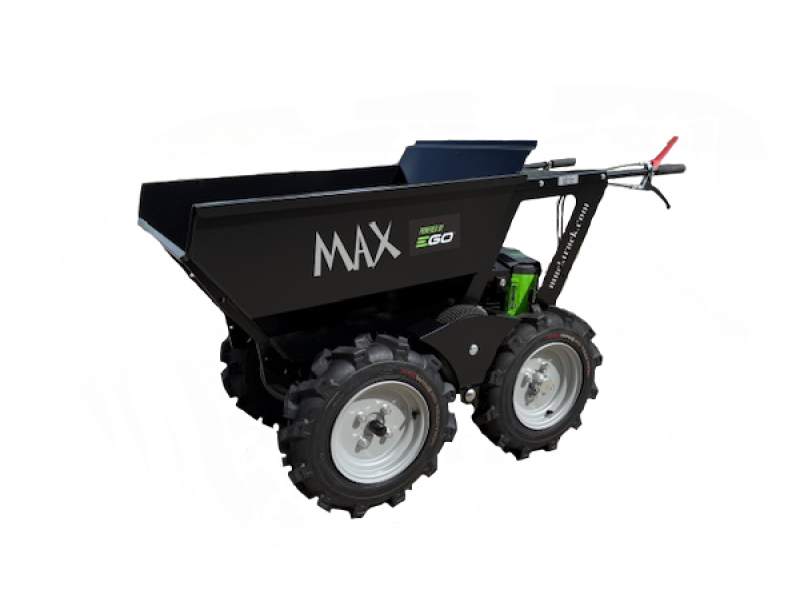
Powered wheelbarrows have become an essential piece of equipment for businesses involved in construction, landscaping, agriculture, equestrian operations, and grounds maintenance. By allowing operators to move heavy loads more efficiently, these machines help increase productivity, reduce physical strain, and improve workplace safety.
One of the most common questions businesses face when investing in a powered wheelbarrow is whether a petrol-powered or electric-powered model is the better choice. Both options offer significant advantages over traditional wheelbarrows, but the right solution depends on your work environment, operational requirements, and compliance obligations.
This guide explores the benefits of each option and helps you determine which type of powered wheelbarrow is best suited to your business.
Why Businesses Are Choosing Powered Wheelbarrows
Traditional wheelbarrows can limit productivity and place significant physical demands on workers. Powered wheelbarrows eliminate much of the manual effort required to transport materials, making it easier to move soil, gravel, mulch, feed, debris, and construction materials across challenging terrain.
Modern powered wheelbarrows are designed to carry substantial loads while maintaining excellent maneuverability. Manufacturers such as Muck-Truck have spent decades developing machines that help businesses work more efficiently in demanding environments. Their range of powered wheelbarrows and mini dumpers is widely used across construction sites, farms, landscaping projects, and equestrian facilities.
The Benefits of Petrol-Powered Wheelbarrows
Petrol-powered wheelbarrows remain a popular choice for businesses that require maximum runtime and dependable performance throughout the workday.
Advantages
Extended Operating Time
One of the biggest advantages of a petrol-powered wheelbarrow is its ability to operate continuously as long as fuel is available. This makes petrol models particularly useful for large projects and remote locations where charging infrastructure may not be readily accessible.
Proven Commercial Performance
Many contractors and professional operators prefer petrol engines because of their reliability and consistent performance. Muck-Truck’s petrol-powered models, for example, feature commercial-grade Honda engines and are designed to handle heavy-duty workloads in demanding conditions.
Ideal for Intensive Applications
Petrol-powered wheelbarrows are often favored for large-scale landscaping, construction, and agricultural projects that require equipment to operate throughout the day with minimal interruptions.
Compliance Considerations
Businesses using petrol-powered equipment should consider several compliance-related factors, including:
- Fuel storage requirements
- Equipment maintenance schedules
- Noise management policies
- Emissions regulations
- Indoor air quality considerations
If work is performed in enclosed or partially enclosed spaces, exhaust emissions may create additional compliance challenges.
The Benefits of Electric Wheelbarrows
As sustainability and environmental responsibility become increasingly important, electric-powered wheelbarrows are gaining popularity across multiple industries.
Advantages
Zero Direct Emissions
Electric wheelbarrows produce no direct exhaust emissions during operation. This makes them well suited for indoor environments, environmentally sensitive locations, and projects with sustainability objectives.
Reduced Noise Levels
Battery-powered machines generally operate much more quietly than petrol-powered alternatives. This can be particularly beneficial when working in residential neighborhoods, schools, hospitals, parks, or other noise-sensitive areas.
Lower Maintenance Requirements
Electric-powered equipment typically requires less routine maintenance than petrol-powered machines. With fewer moving engine components, businesses may benefit from reduced servicing costs and less downtime.
Modern Electric Performance
Many people assume electric wheelbarrows cannot match the power of petrol-powered models. However, advances in battery technology have significantly improved performance in recent years.
For example, the Muck-Truck EGO Max offers the same impressive 805-pound (365kg) carrying capacity as the petrol-powered Max-Truck while utilizing advanced lithium battery technology and four-wheel-drive capability. This demonstrates how modern electric equipment can deliver commercial-grade performance without sacrificing productivity.
Similarly, Muck-Truck’s electric Power Barrow range is designed to handle demanding applications while providing the benefits of battery-powered operation.
Key Compliance Factors When Choosing Between Petrol and Electric
1. Environmental Goals
Many organizations now prioritize sustainability as part of their procurement and operational strategies. Electric wheelbarrows may help businesses reduce their environmental impact and support broader carbon reduction initiatives.
2. Workplace Safety
Employers are responsible for minimizing workplace hazards wherever possible. Powered wheelbarrows can significantly reduce manual handling risks compared to traditional wheelbarrows, helping improve employee safety and reduce the likelihood of injuries.
3. Noise Restrictions
If your business regularly works in residential communities or urban environments, local noise restrictions may influence equipment selection. Electric wheelbarrows often provide a clear advantage in these situations.
4. Job Site Infrastructure
Before choosing an electric model, consider whether charging facilities are available at your work locations. Businesses operating in remote areas may find petrol-powered equipment more practical if access to electricity is limited.
5. Total Cost of Ownership
Purchase price is only one factor when evaluating equipment. Fuel costs, electricity costs, maintenance expenses, servicing requirements, and equipment lifespan should all be considered when determining long-term value.
Which Option Is Right for Your Business?
A petrol-powered wheelbarrow may be the best choice if:
- You require uninterrupted operation throughout the day
- You frequently work on remote job sites
- Access to charging infrastructure is limited
- Maximum runtime is a priority
An electric wheelbarrow may be the better option if:
- Reducing emissions is important
- You operate in noise-sensitive environments
- Sustainability goals are a business priority
- Lower maintenance requirements are desirable
Final Thoughts
Both petrol and electric wheelbarrows offer significant productivity advantages compared to traditional manual wheelbarrows. The best choice depends on your operational needs, compliance requirements, and long-term business goals.
Muck-Truck offers a comprehensive range of petrol and electric-powered wheelbarrows and mini dumpers designed for construction, landscaping, agriculture, and equestrian applications. With carrying capacities of up to 805 pounds, four-wheel-drive systems, and more than three decades of engineering expertise, their equipment provides reliable solutions for businesses seeking to improve efficiency, safety, and productivity.
Whether you prioritize all-day runtime or environmentally friendly operation, understanding the strengths of both petrol and electric wheelbarrows will help you make an informed investment for your business.