
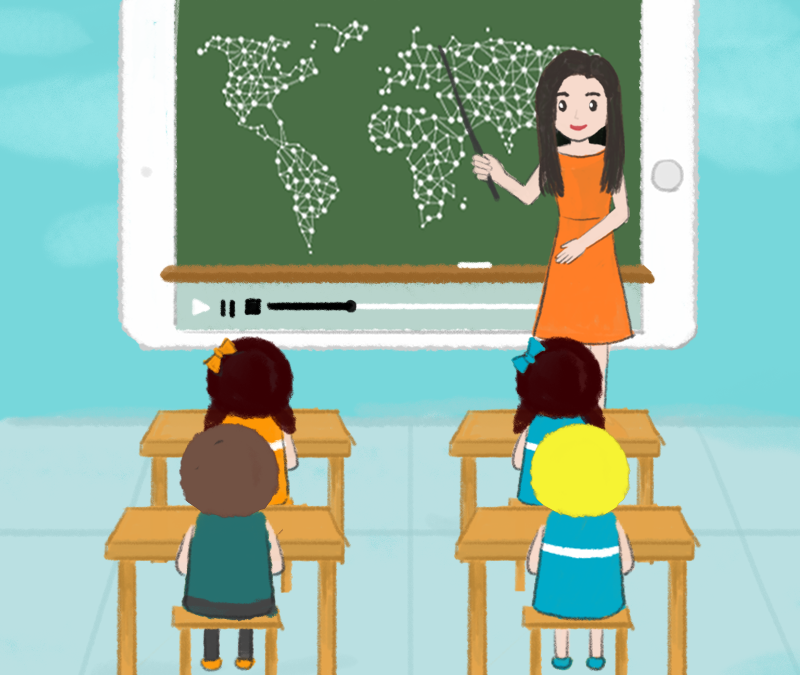
In today’s increasingly connected world, giving children the opportunity to learn a second language is one of the most valuable investments parents can make. While languages such as French and Spanish have long been popular choices, Mandarin Chinese has emerged as one of the most beneficial languages for young learners. Spoken by more than a billion people worldwide, Mandarin opens doors to new cultures, educational opportunities and future careers.
Research consistently shows that children are particularly receptive to language learning during their early years. Their developing brains are naturally equipped to absorb new sounds, vocabulary and grammar with greater ease than adults. Starting Mandarin at a young age not only helps children become confident communicators but also equips them with skills that will benefit them throughout their lives.
A Growing Global Language
Mandarin is the most widely spoken first language in the world and plays a significant role in international business, technology, tourism and education. As China continues to influence the global economy, the ability to communicate in Mandarin is becoming an increasingly valuable asset.
For children growing up in multicultural environments such as the UAE, learning Mandarin can provide a distinct advantage. It enables them to engage with one of the world’s oldest and richest cultures while developing skills that will remain relevant in an ever-changing global marketplace.
Better Brain Development
Learning Mandarin offers cognitive benefits that extend well beyond language itself. Studies suggest that bilingual children often demonstrate stronger problem-solving abilities, improved memory and greater mental flexibility.
Mandarin also presents unique challenges that encourage critical thinking. Its tonal pronunciation and character-based writing system require children to pay close attention to sound patterns and visual recognition. These additional learning processes stimulate different areas of the brain, supporting concentration, creativity and analytical thinking.
These cognitive advantages often translate into improved academic performance across a range of subjects, including mathematics, science and literacy.
Building Cultural Awareness
Language and culture are closely connected. As children learn Mandarin, they naturally become more familiar with Chinese traditions, festivals, customs and history. This broader cultural understanding helps develop empathy, respect and curiosity about the wider world.
In today’s international communities, cultural awareness is just as important as academic achievement. Children who appreciate different perspectives are better prepared to collaborate with people from diverse backgrounds throughout school, university and their future careers.
Increased Confidence Through Communication
Young children are naturally curious and willing to experiment with new sounds and words. Introducing Mandarin through songs, storytelling, games and interactive activities creates an enjoyable learning environment where confidence grows naturally.
Rather than viewing language learning as a classroom task, children begin to see communication as an exciting adventure. As their vocabulary expands, they become increasingly confident speaking with teachers, classmates and eventually native speakers.
This confidence often extends beyond language learning, helping children become more comfortable expressing themselves in other areas of life.
Preparing for Future Career Opportunities
The workplace is becoming increasingly international, with employers placing greater value on multilingual candidates. Industries including finance, technology, engineering, hospitality, healthcare and international trade all benefit from professionals who can communicate across cultures.
Although today’s young learners may be many years away from entering the workforce, learning Mandarin early establishes a strong foundation that can continue throughout their education. By the time they reach university or begin their careers, they may possess language skills that set them apart from other candidates.
Being fluent in Mandarin demonstrates commitment, adaptability and global awareness, qualities highly regarded by employers around the world.
Learning Through Play
One of the reasons young children make such rapid language progress is that they learn naturally through play. Interactive activities encourage children to absorb vocabulary without feeling pressured or overwhelmed.
Songs, role play, arts and crafts, storytelling and movement-based activities all help reinforce language in memorable ways. This approach keeps children engaged while supporting pronunciation, listening skills and everyday conversation.
A positive learning experience during childhood also creates lasting enthusiasm for languages, making it more likely that children will continue developing their Mandarin skills as they grow older.
Supporting Lifelong Learning
Early language education teaches far more than vocabulary and grammar. Children develop resilience as they learn new words, patience as they practise unfamiliar sounds and confidence as they begin to communicate successfully.
These experiences nurture a growth mindset, helping children understand that learning takes time and consistent effort. This attitude supports success across all areas of education and personal development.
Parents also play an important role by encouraging regular practice at home, celebrating progress and making language learning part of everyday family life.
Choosing the Right Learning Environment
Not all language programmes are the same. Young learners benefit most from structured lessons that are engaging, age-appropriate and designed to develop listening, speaking, reading and cultural understanding together.
An immersive and supportive environment encourages children to use Mandarin naturally rather than simply memorising vocabulary. Experienced teachers, interactive resources and enjoyable activities help children build confidence while maintaining their enthusiasm for learning.
For families looking to introduce their children to Mandarin in an engaging and child-focused way, HiHiLulu offers programmes designed specifically for young learners. Their interactive approach combines language learning with creativity, cultural exploration and hands-on activities, helping children develop practical communication skills while enjoying every step of the journey.
Final Thoughts
Learning Mandarin from an early age offers far more than the ability to speak another language. It strengthens cognitive development, broadens cultural understanding, improves communication skills and prepares children for future educational and career opportunities.
As the world becomes increasingly interconnected, multilingualism is rapidly becoming one of the most valuable life skills a child can possess. By introducing Mandarin during the early years, parents are giving their children the opportunity to thrive in an international environment while developing confidence, curiosity and a lifelong love of learning.
The investment made today can provide advantages that last a lifetime, opening doors to new friendships, new experiences and a world of possibilities.