
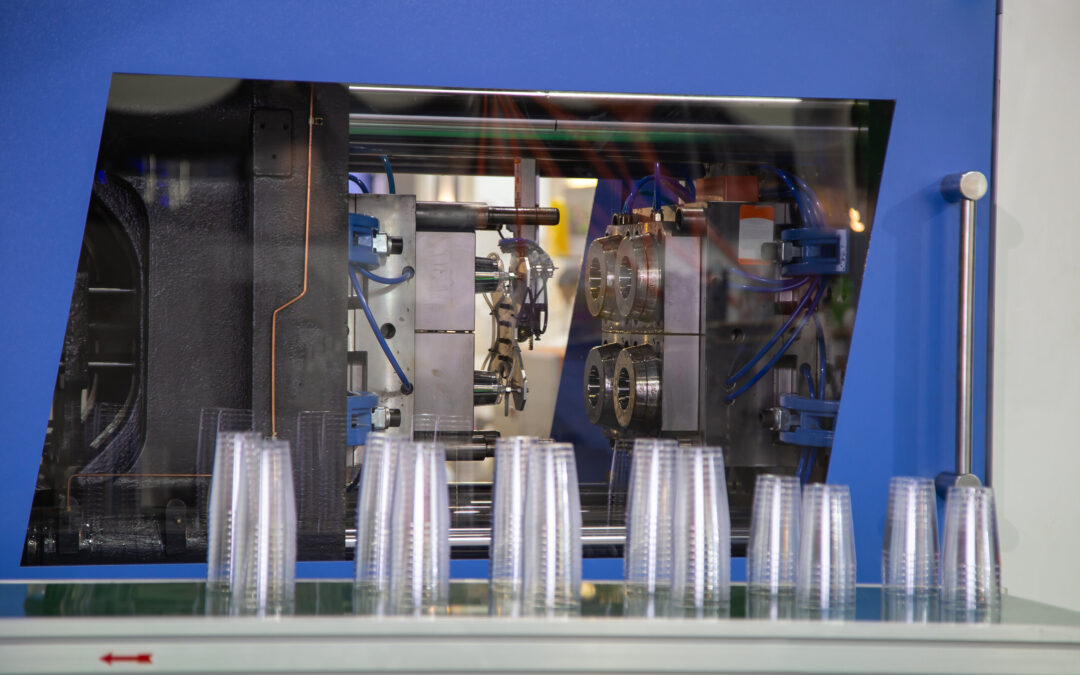
For manufacturers looking to remain competitive, reducing production costs without sacrificing quality is a constant challenge. One of the most effective ways to achieve this is through precision injection moulding, a manufacturing process that delivers consistent, high-quality plastic components at scale.
Companies such as Ertone Plastics specialise in precision injection moulding solutions for industries including hospitality, construction, airline catering, and more, helping businesses streamline production and improve efficiency.
What Is Precision Injection Moulding?
Precision injection moulding is a manufacturing process where molten plastic is injected into a carefully engineered mould under controlled conditions. The process is designed to create highly accurate, repeatable plastic parts with minimal variation between products.
Because the process is automated and highly repeatable, it is ideal for producing both small and large production runs with exceptional consistency.
Reduced Material Waste
One of the biggest ways precision injection moulding lowers costs is by reducing material waste.
Well-designed moulds and optimised injection parameters ensure that each component is produced accurately with minimal excess plastic. This reduces scrap rates and lowers raw material consumption across production runs.
Many modern manufacturers also integrate recycling initiatives into production. Ertone Plastics operates a closed-loop recycling system that helps minimise waste and reduce the need for virgin materials.
Faster Production Cycles
Injection moulding is one of the fastest manufacturing methods available for plastic components. Once tooling has been created, production cycles can be completed rapidly, allowing businesses to manufacture large quantities efficiently.
Advanced machinery, robotic systems, and automated conveying equipment help reduce manual handling and speed up production further. Ertone Plastics uses injection moulding machines ranging from 100 to 600 tonnes alongside robotic automation to improve efficiency and maintain high product quality.
Faster cycle times mean:
- Lower labour costs
- Higher output volumes
- Reduced lead times
- Faster routes to market
Lower Labour Costs Through Automation
Automation plays a major role in reducing manufacturing expenses.
Precision injection moulding relies heavily on automated systems for mould filling, cooling, part removal, and quality control. This significantly reduces the amount of manual labour required compared to traditional manufacturing methods.
Automated production also improves consistency, reducing the risk of human error and minimising costly defects or rework.
Improved Product Consistency
Defective products can quickly increase production costs through waste, returns, and delays. Precision injection moulding helps minimise these issues by ensuring every component is manufactured to exact specifications.
Careful control of:
- Injection pressure
- Material flow
- Cooling systems
- Mould design
allows manufacturers to maintain tight tolerances and high repeatability throughout production.
This is particularly important for industries that rely on durable, reliable components, such as construction, catering, and airline services.
Cost-Effective Scalability
As production volumes increase, the cost per unit in injection moulding typically decreases. Once tooling has been developed, manufacturers can produce thousands, or even millions, of identical parts efficiently and economically.
This scalability makes precision injection moulding ideal for businesses requiring:
- High-volume manufacturing
- Repeat production runs
- Consistent product quality
- Long-term cost control
Working with an experienced UK injection moulding company can also help businesses optimise tooling design from the start, preventing expensive manufacturing issues later in the process.
Early Design Support Saves Money
A key advantage of partnering with an experienced injection moulding manufacturer is gaining expert support during the design phase.
Early involvement allows manufacturers to:
- Simplify component designs
- Improve manufacturability
- Reduce unnecessary material usage
- Prevent tooling issues
- Speed up production timelines
Ertone Plastics works with clients from the early concept stage, offering guidance on material selection, tooling, prototypes, and design optimisation to help reduce long-term production costs.
Final Thoughts
Precision injection moulding offers manufacturers a highly efficient and cost-effective way to produce plastic components at scale. By reducing waste, improving consistency, increasing automation, and speeding up production cycles, businesses can significantly lower overall manufacturing costs while maintaining high product quality.
For companies looking for reliable UK manufacturing expertise, Ertone Plastics provides end-to-end precision injection moulding solutions, from design and prototyping through to full-scale production.