
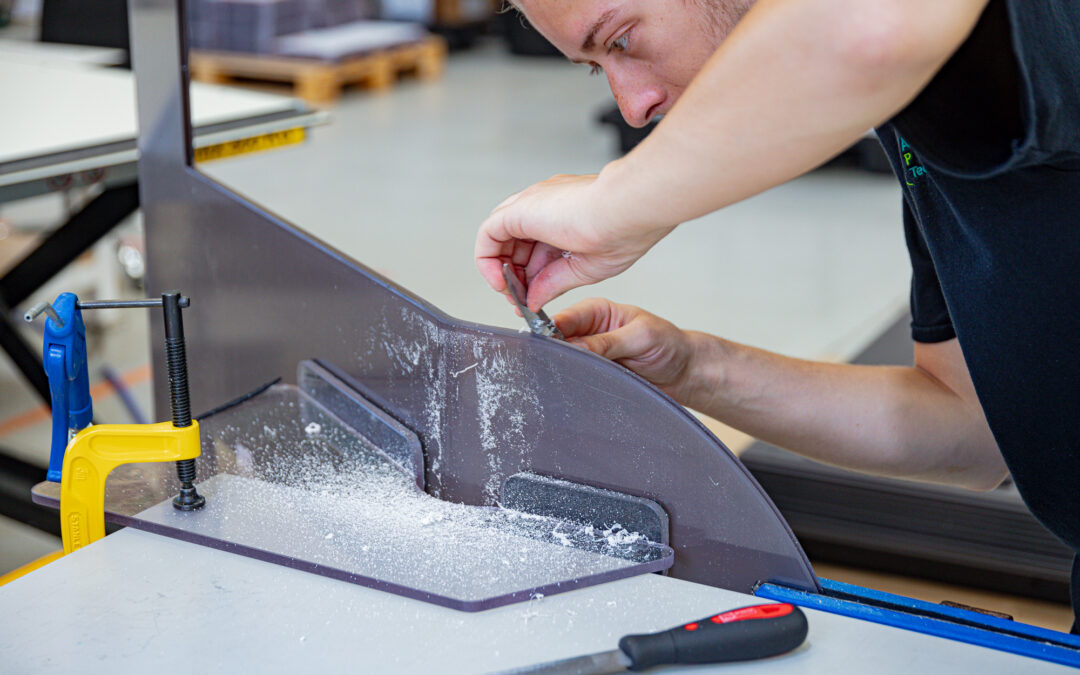
In today’s manufacturing landscape, businesses are constantly searching for materials that offer durability, efficiency, and cost savings without compromising on performance. While metal components have long been the standard across many industries, custom plastic fabrication is becoming an increasingly popular alternative. Companies involved in engineering, industrial manufacturing, and product development are turning to advanced plastic solutions for everything from machine guards and wear strips to bespoke fabricated parts.
Specialists such as APT 123 demonstrate how modern plastic fabrication can provide highly tailored solutions for demanding commercial and industrial applications. With advances in engineering plastics and CNC machining, fabricated plastic components are now capable of outperforming metal in many environments.
Reduced Weight Without Sacrificing Strength
One of the biggest advantages of custom plastic fabrication is the significant reduction in weight compared to metal alternatives. Engineering plastics such as UHMWPE, nylon, acetal, and PTFE offer impressive strength while remaining considerably lighter than steel or aluminium.
For industries such as manufacturing, transport, food processing, and automation, lighter components can improve operational efficiency and reduce strain on machinery. Lighter parts also make installation, handling, and maintenance easier, which can help reduce labour costs and downtime.
In applications where moving parts are involved, reducing weight can also improve energy efficiency and extend the lifespan of equipment.
Excellent Corrosion Resistance
Unlike many metals, plastics do not rust or corrode when exposed to moisture, chemicals, or harsh environments. This makes fabricated plastic components ideal for sectors where hygiene, chemical resistance, or outdoor durability are essential.
For example, in food production facilities or chemical processing plants, metal parts may require protective coatings or regular maintenance to prevent corrosion. Custom fabricated plastics can often eliminate these concerns entirely, helping businesses reduce maintenance costs over time.
This resistance also makes plastics particularly useful for marine environments, water treatment systems, and external industrial applications where exposure to moisture is unavoidable.
Greater Design Flexibility
Custom plastic fabrication allows manufacturers to create highly specialised components designed precisely for a customer’s needs. Modern CNC machining and plastic fabrication techniques enable complex shapes, tight tolerances, and bespoke designs that may be more difficult or expensive to achieve with metal.
This flexibility is particularly valuable for industries requiring:
- Machine guards
- Custom housings
- Wear pads and strips
- Conveyor components
- Bespoke engineering parts
- Insulating components
Because plastics are easier to machine and adapt, businesses can often prototype and modify designs faster than with traditional metal fabrication methods.
Lower Manufacturing Costs
Cost efficiency is another major reason businesses choose fabricated plastic components over metal. While exact costs vary depending on the material and application, plastics are often more affordable in terms of:
- Raw material costs
- Machining time
- Transportation
- Installation
- Maintenance
Plastic components can also reduce wear on surrounding machinery because many engineering plastics have naturally low friction properties. This can lower repair and replacement expenses over the long term.
For companies looking to optimise production budgets while maintaining performance standards, custom plastic fabrication can offer substantial savings.
Improved Wear and Friction Performance
Many engineering plastics are specifically designed to handle high-friction or high-wear applications. Materials such as UHMWPE and nylon are commonly used in conveyor systems, guides, rollers, and moving machinery parts because they offer excellent abrasion resistance and low friction.
In contrast, metal-on-metal contact often requires lubrication and can lead to increased wear over time. Plastic alternatives may reduce the need for lubrication altogether, helping businesses simplify maintenance procedures and improve cleanliness in sensitive environments.
This is particularly important in industries such as food processing and pharmaceuticals, where contamination control is critical.
Electrical and Thermal Insulation
Unlike metal, many plastics provide excellent electrical insulation properties. This makes them ideal for electrical housings, protective barriers, and applications where conductivity must be minimised.
Certain engineering plastics also offer thermal insulation benefits, helping protect equipment and improve safety in environments involving temperature-sensitive processes.
The ability to tailor materials to specific performance requirements gives custom plastic fabrication a clear advantage in specialist engineering sectors.
Faster Production and Easier Maintenance
Custom fabricated plastic parts can often be produced faster than equivalent metal components, particularly when specialist tooling or welding would otherwise be required. CNC-machined plastic components can be manufactured with precision while reducing production complexity.
Maintenance is also typically simpler. Plastic parts are easier to clean, less prone to corrosion, and often require fewer protective treatments than metal alternatives. In many industrial settings, this can translate into reduced downtime and improved operational reliability.
For businesses operating around-the-clock production facilities, minimising maintenance interruptions can deliver significant commercial benefits.
Environmentally Efficient Solutions
Modern plastic fabrication is also evolving to support more sustainable manufacturing practices. Many engineering plastics are recyclable, and because plastic components are lightweight, they can reduce transportation emissions and overall energy usage.
Additionally, longer-lasting wear components can decrease the frequency of replacements, reducing material waste over time.
While sustainability considerations vary by application, advances in material science continue to improve the environmental performance of engineered plastic products.
The Future of Industrial Manufacturing
As manufacturing technology continues to evolve, custom plastic fabrication is becoming an increasingly valuable alternative to traditional metal engineering. The combination of durability, corrosion resistance, reduced weight, and design flexibility makes fabricated plastic components suitable for a wide range of industries and applications.
Companies looking for bespoke engineering solutions are increasingly partnering with specialists such as APT 123 to develop precision plastic components tailored to their operational requirements. From CNC machining and fabrication to wear-resistant industrial products, custom plastics are helping businesses improve efficiency, reduce costs, and modernise production systems.
For many applications, the question is no longer whether plastic can replace metal — but whether metal is still the most efficient choice at all.