
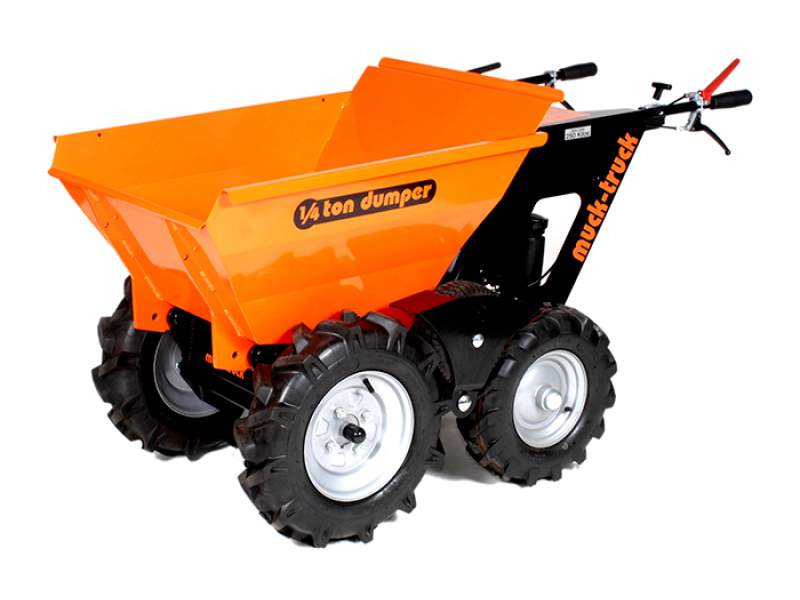
Whether you work in construction, landscaping, farming, equestrian management, or property maintenance, moving heavy materials efficiently can make a major difference in productivity. Powered wheelbarrows have become an essential tool for businesses that need to transport soil, gravel, debris, feed, or building materials quickly and safely across challenging terrain.
One of the biggest decisions buyers face is choosing between gas-powered and electric-powered wheelbarrows. Both options offer clear advantages, but the right choice depends on your workload, working environment, and long-term operational goals.
Companies like Muck-Truck help businesses across multiple industries improve material handling with compact powered wheelbarrows designed for demanding professional use. Understanding the differences between gas and electric models can help you invest in the right solution for your business.
Why Businesses Are Switching to Powered Wheelbarrows
Traditional wheelbarrows require significant physical effort, especially when moving heavy loads over uneven ground or slopes. Powered wheelbarrows reduce operator fatigue while increasing efficiency and safety on the job site.
For businesses handling repetitive material transport tasks, powered wheelbarrows can help:
- Reduce physical strain on workers
- Increase daily productivity
- Improve maneuverability in tight spaces
- Minimize downtime caused by worker fatigue
- Safely transport heavier loads
The next step is deciding which power source best matches your operational needs.
The Advantages of Gas-Powered Wheelbarrows
Gas-powered wheelbarrows have long been a reliable option for demanding outdoor work environments. They are especially popular on construction sites, farms, and landscaping projects where extended runtime and high power output are essential.
1. Strong Performance for Heavy-Duty Tasks
Gas-powered models are designed to handle large loads and difficult terrain with consistent performance. If your business regularly moves dense materials like concrete, rubble, wet soil, or heavy aggregate, gas engines provide dependable power throughout the workday.
This makes them especially valuable for:
- Construction contractors
- Excavation companies
- Agricultural operations
- Large landscaping projects
2. Longer Runtime Without Charging
One of the biggest advantages of gas-powered equipment is uninterrupted operation. Refueling takes only a few minutes, allowing crews to continue working without waiting for batteries to recharge.
Businesses working long shifts or in remote outdoor locations often prefer gas-powered equipment because it offers flexibility and extended runtime.
3. Reliable in Remote Locations
For sites without convenient access to electricity, gas-powered wheelbarrows remain a practical solution. Outdoor projects, rural farms, and undeveloped construction sites often benefit from equipment that does not rely on charging infrastructure.
The Advantages of Electric Powered Wheelbarrows
Electric-powered wheelbarrows have become increasingly popular as businesses prioritize sustainability, lower operating costs, and quieter equipment.
Modern electric models now offer impressive performance while delivering several important benefits.
1. Lower Noise Levels
Electric wheelbarrows operate much more quietly than gas-powered models. This can be a major advantage in:
- Residential neighborhoods
- Schools and campuses
- Hospitals
- Equestrian facilities
- Indoor construction projects
Lower noise output helps businesses reduce disruptions while creating a more comfortable environment for workers and nearby residents.
2. Reduced Maintenance Requirements
Electric-powered equipment generally requires less maintenance because there are fewer moving engine components. Businesses can avoid tasks such as:
- Oil changes
- Spark plug replacements
- Fuel system maintenance
Over time, this can reduce service costs and equipment downtime.
3. Environmentally Friendly Operation
Many businesses are actively reducing emissions and improving sustainability practices. Electric wheelbarrows produce zero on-site emissions, making them ideal for environmentally conscious operations.
This is particularly important for companies working on:
- Green building projects
- Eco-conscious landscaping contracts
- Indoor or enclosed workspaces
4. Easier Indoor Use
Electric-powered wheelbarrows are often the better choice for indoor environments because they do not produce exhaust fumes. Warehouses, stables, greenhouses, and renovation projects can all benefit from cleaner operation.
Key Factors to Consider Before Choosing
Choosing between gas and electric powered wheelbarrows depends on several operational factors.
Workload Requirements
If your business handles continuous heavy-duty work over long hours, gas-powered equipment may offer the endurance you need.
For lighter-to-moderate daily workloads, electric models can provide more than enough power while reducing operating costs.
Terrain and Job Site Conditions
Steep slopes, muddy terrain, and rugged outdoor environments often favor gas-powered units with high torque and extended runtime.
However, many modern electric-powered wheelbarrows now offer excellent traction and stability for challenging terrain as battery technology continues to improve.
Sustainability Goals
Businesses looking to reduce environmental impact may prefer electric models for their zero-emission operation and lower energy consumption.
This can also support company sustainability initiatives and help improve compliance with environmental regulations.
Operating Costs
Gas-powered equipment typically has higher fuel and maintenance costs over time, while electric models usually cost less to operate on a daily basis.
Although electric units may involve a higher upfront investment in batteries or charging systems, long-term savings can offset those costs for many businesses.
Which Option Is Right for Your Business?
There is no universal answer because every business has different operational demands.
A gas-powered wheelbarrow may be the best fit if you:
- Work long shifts outdoors
- Need maximum runtime
- Operate in remote areas
- Frequently move extremely heavy loads
An electric-powered wheelbarrow may be ideal if you:
- Work in residential or indoor environments
- Want lower maintenance requirements
- Prioritize sustainability
- Need quieter operation
Professional-grade equipment from manufacturers like Muck-Truck gives businesses access to durable material-handling solutions built for demanding industries. Whether you choose gas or electric, investing in the right powered wheelbarrow can significantly improve efficiency, safety, and productivity across your operations.
As technology continues to evolve, electric-powered wheelbarrows are becoming increasingly capable, while gas-powered models remain a trusted solution for heavy-duty outdoor work. Evaluating your workload, job site conditions, and long-term business goals will help you choose the best option for your team.